Comprehensive Guide to Builders Waste Clearance in Crouchend

Understanding Builders Waste Clearance
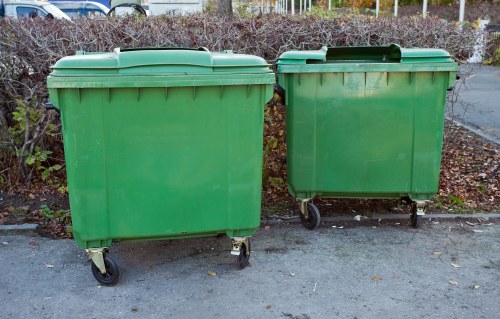
Two large green wheeled waste bins made of durable plastic are positioned side by side on a concrete surface, with their lids closed. The bins have textured surfaces and are slightly reflective, showing signs of weather exposure. The left bin is slightly larger, with a smoother front, while the right bin appears to have a more textured finish. Both are set against a background of leafless bushes with a mixture of brown and purple hues, indicating late autumn or early winter. The pavement beneath the bins is dark and has scattered fallen leaves, blending into a typical urban or residential setting in Crouchend. The overall scene is well-lit with natural daylight, emphasizing the utilitarian nature of the bins, which are used for waste collection as part of local rubbish removal services operated by Crouch End House Clearance. The image captures a clean, orderly environment suitable for rubbish disposal and removal activities typical of household or building clearance projects in the area.

Builders waste clearance is an essential service for both residential and commercial construction projects in Crouchend. Managing the debris effectively not only ensures a clean and safe environment but also complies with local regulations.

Construction projects often generate a significant amount of waste, including concrete, bricks, timber, and metal. Proper disposal of these materials is crucial to prevent environmental pollution and maintain community aesthetics.

In Crouchend, various services specialize in handling builders waste clearance, offering tailored solutions to meet the specific needs of different projects.

Why Proper Waste Clearance is Important
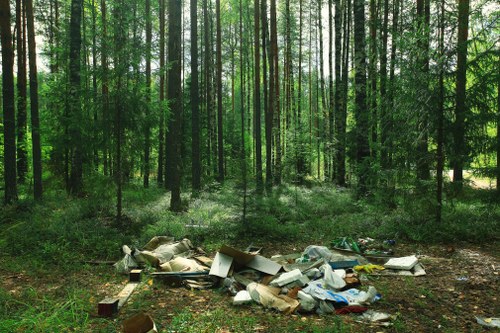
A collection of waste materials scattered on the ground in a wooded area, including broken furniture, cardboard boxes, plastic bags, and various debris. The waste appears to be haphazardly piled near the edge of a forest with tall, densely packed trees and lush green foliage in the background. The ground is covered with a mix of dirt, leaves, and small plants, suggesting an outdoor environment typical of a natural woodland setting. The scene indicates illegal dumping or neglect within a rural or suburban area, which local rubbish removal services like Crouch End House Clearance aim to address, particularly in locations such as Crouchend or surrounding districts within the London Borough of Haringey.

Effective builders waste clearance is vital for several reasons. Firstly, it ensures that construction sites remain organized and free from hazards, reducing the risk of accidents.

Secondly, proper waste management contributes to sustainability. Recycling and reusing materials can significantly reduce the environmental impact of construction activities.

Moreover, complying with local waste disposal regulations in Crouchend helps avoid hefty fines and legal issues that can arise from improper waste handling.

Services Offered in Crouchend

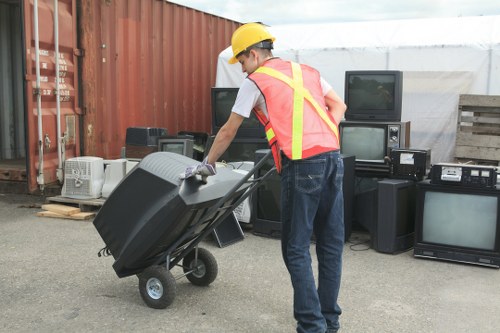
A construction worker wearing a yellow safety helmet, a high-visibility yellow and red vest, white shirt, and blue jeans is pushing a large, black plastic recycling bin on wheels, filled with waste. The worker is loading or transporting the bin in an outdoor area near a red metal fence and various discarded electronic appliances, including old televisions, CRT monitors, and stereo systems, arranged in rows behind him. The scene suggests a waste or rubbish clearance operation, with a focus on electronic waste disposal, possibly taking place in a commercial or industrial zone. The ground is paved, and the background includes a white temporary structure or tarp covering part of the area, emphasizing an ongoing waste management activity. The setting aligns with services provided by Crouch End House Clearance for rubbish removal and electronic waste disposal services in the local area.

Builders waste clearance services in Crouchend typically include the collection, transportation, and disposal of construction debris. These services may also offer recycling options to ensure that materials are reused whenever possible.

Many companies provide flexible scheduling to accommodate the unique timelines of construction projects. This flexibility helps minimize disruptions and keeps projects on track.

Additionally, some services offer on-site sorting of waste, which enhances the efficiency of the recycling process and ensures that recyclable materials are properly separated.

Choosing the Right Waste Clearance Service

A bright yellow plastic container filled with a variety of discarded aluminium cans, some of which are crushed or dented, placed on a black and white checkered floor against a plain blue background. The cans are silver in colour, with visible ridges and pull-tabs, and are loosely stacked, with some leaning and overlapping each other. The scene suggests an indoor area used for recycling or waste collection, consistent with rubbish removal services such as those offered by Crouch End House Clearance, possibly in the context of local waste disposal or recycling in Crouchend.

When selecting a builders waste clearance service in Crouchend, it's important to consider several factors. Experience and reputation are key indicators of reliability and quality service.

Ensure that the company is licensed and insured, which protects you from potential liabilities. It's also beneficial to choose a service that offers transparent pricing with no hidden fees.

Customer reviews and testimonials can provide insights into the company's performance and customer satisfaction levels, helping you make an informed decision.

Environmental Impact and Sustainability
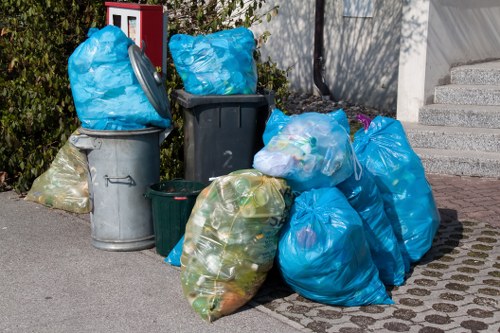
A collection of various waste bags and bins positioned on a paved urban street, likely in Crouch End, with some bags filled with mixed rubbish, including plastic bottles and general household waste. The bags are mainly blue and transparent, placed next to each other and leaning against different types of rubbish containers, such as grey and black wheelie bins. The scene is outside a building with some greenery visible on the left, and a stone pathway or step leading up to the entrance on the right. The overall environment suggests a typical rubbish collection point in a residential area, as managed by Crouch End House Clearance, supporting rubbish removal services in North London. The background includes a wall and garden plants, with natural daylight illuminating the scene, emphasizing the texture of the plastic waste and the materials of the bins.

Builders waste clearance plays a significant role in promoting environmental sustainability in Crouchend. By implementing effective waste management practices, construction companies can reduce their carbon footprint.

Recycling materials such as metal, wood, and concrete not only conserves natural resources but also lowers the overall cost of construction by reusing existing materials.

Moreover, responsible waste disposal helps preserve the local ecosystem and ensures that Crouchend remains a clean and attractive place to live and work.

Steps to Effective Builders Waste Clearance

1. Assessment and Planning

Two large green wheeled waste bins made of durable plastic are positioned side by side on a concrete surface, with their lids closed. The bins have textured surfaces and are slightly reflective, showing signs of weather exposure. The left bin is slightly larger, with a smoother front, while the right bin appears to have a more textured finish. Both are set against a background of leafless bushes with a mixture of brown and purple hues, indicating late autumn or early winter. The pavement beneath the bins is dark and has scattered fallen leaves, blending into a typical urban or residential setting in Crouchend. The overall scene is well-lit with natural daylight, emphasizing the utilitarian nature of the bins, which are used for waste collection as part of local rubbish removal services operated by Crouch End House Clearance. The image captures a clean, orderly environment suitable for rubbish disposal and removal activities typical of household or building clearance projects in the area.

Begin by assessing the amount and type of waste generated by the construction project. Planning the waste clearance process in advance ensures efficiency and minimizes disruptions.

Create a waste management plan that outlines the methods for collection, transportation, and disposal of different materials.

Consider the recycling potential of various waste components to enhance sustainability efforts.

2. Collection and Sorting

A collection of waste materials scattered on the ground in a wooded area, including broken furniture, cardboard boxes, plastic bags, and various debris. The waste appears to be haphazardly piled near the edge of a forest with tall, densely packed trees and lush green foliage in the background. The ground is covered with a mix of dirt, leaves, and small plants, suggesting an outdoor environment typical of a natural woodland setting. The scene indicates illegal dumping or neglect within a rural or suburban area, which local rubbish removal services like Crouch End House Clearance aim to address, particularly in locations such as Crouchend or surrounding districts within the London Borough of Haringey.

Effective waste clearance involves the systematic collection and sorting of construction debris. Separate recyclable materials from non-recyclable waste to maximize recycling rates.

Use appropriate containers and designated areas for different types of waste to streamline the sorting process.

Regularly monitor and manage the waste containers to prevent overflow and maintain a clean site.

3. Transportation and Disposal

A construction worker wearing a yellow safety helmet, a high-visibility yellow and red vest, white shirt, and blue jeans is pushing a large, black plastic recycling bin on wheels, filled with waste. The worker is loading or transporting the bin in an outdoor area near a red metal fence and various discarded electronic appliances, including old televisions, CRT monitors, and stereo systems, arranged in rows behind him. The scene suggests a waste or rubbish clearance operation, with a focus on electronic waste disposal, possibly taking place in a commercial or industrial zone. The ground is paved, and the background includes a white temporary structure or tarp covering part of the area, emphasizing an ongoing waste management activity. The setting aligns with services provided by Crouch End House Clearance for rubbish removal and electronic waste disposal services in the local area.

Once sorted, transport the waste to designated recycling centers or disposal sites. Choose services that prioritize eco-friendly transportation methods to reduce environmental impact.

Ensure that all waste is disposed of in compliance with local regulations to avoid legal issues.

Maintain accurate records of waste disposal to track the project's environmental performance.

Benefits of Professional Waste Clearance Services

Efficiency and Time-Saving
A bright yellow plastic container filled with a variety of discarded aluminium cans, some of which are crushed or dented, placed on a black and white checkered floor against a plain blue background. The cans are silver in colour, with visible ridges and pull-tabs, and are loosely stacked, with some leaning and overlapping each other. The scene suggests an indoor area used for recycling or waste collection, consistent with rubbish removal services such as those offered by Crouch End House Clearance, possibly in the context of local waste disposal or recycling in Crouchend.

Professional builders waste clearance services bring expertise and resources that enhance efficiency. They can handle large volumes of waste quickly, saving valuable time for construction teams.

This efficiency helps keep construction projects on schedule, reducing delays and potential cost overruns.

By outsourcing waste management, businesses can focus more on their core activities and less on waste disposal logistics.

Cost-Effective Solutions
A collection of various waste bags and bins positioned on a paved urban street, likely in Crouch End, with some bags filled with mixed rubbish, including plastic bottles and general household waste. The bags are mainly blue and transparent, placed next to each other and leaning against different types of rubbish containers, such as grey and black wheelie bins. The scene is outside a building with some greenery visible on the left, and a stone pathway or step leading up to the entrance on the right. The overall environment suggests a typical rubbish collection point in a residential area, as managed by Crouch End House Clearance, supporting rubbish removal services in North London. The background includes a wall and garden plants, with natural daylight illuminating the scene, emphasizing the texture of the plastic waste and the materials of the bins.

Investing in professional waste clearance can be more cost-effective in the long run. Proper waste management reduces the likelihood of fines and penalties associated with non-compliance.

Recycling materials can also lower disposal costs by minimizing the amount of waste sent to landfills.

Many services offer competitive pricing and customized packages to fit different budget constraints.

Enhanced Safety
Two large green wheeled waste bins made of durable plastic are positioned side by side on a concrete surface, with their lids closed. The bins have textured surfaces and are slightly reflective, showing signs of weather exposure. The left bin is slightly larger, with a smoother front, while the right bin appears to have a more textured finish. Both are set against a background of leafless bushes with a mixture of brown and purple hues, indicating late autumn or early winter. The pavement beneath the bins is dark and has scattered fallen leaves, blending into a typical urban or residential setting in Crouchend. The overall scene is well-lit with natural daylight, emphasizing the utilitarian nature of the bins, which are used for waste collection as part of local rubbish removal services operated by Crouch End House Clearance. The image captures a clean, orderly environment suitable for rubbish disposal and removal activities typical of household or building clearance projects in the area.

A clean construction site is a safe construction site. Professional waste clearance reduces clutter, which helps prevent accidents and injuries.

Proper disposal of hazardous materials ensures a safer working environment for all personnel.

Safety protocols followed by waste clearance services comply with industry standards, further safeguarding the site.

Common Types of Builders Waste

Concrete and Masonry

A collection of waste materials scattered on the ground in a wooded area, including broken furniture, cardboard boxes, plastic bags, and various debris. The waste appears to be haphazardly piled near the edge of a forest with tall, densely packed trees and lush green foliage in the background. The ground is covered with a mix of dirt, leaves, and small plants, suggesting an outdoor environment typical of a natural woodland setting. The scene indicates illegal dumping or neglect within a rural or suburban area, which local rubbish removal services like Crouch End House Clearance aim to address, particularly in locations such as Crouchend or surrounding districts within the London Borough of Haringey.

Concrete and masonry waste are common in construction projects. Proper disposal involves breaking down the materials for recycling or transporting them to appropriate facilities.

Recycling concrete can be beneficial for new construction projects, reducing the need for virgin materials.

Handling these materials correctly prevents environmental contamination and promotes sustainable practices.

Timber and Wood

A construction worker wearing a yellow safety helmet, a high-visibility yellow and red vest, white shirt, and blue jeans is pushing a large, black plastic recycling bin on wheels, filled with waste. The worker is loading or transporting the bin in an outdoor area near a red metal fence and various discarded electronic appliances, including old televisions, CRT monitors, and stereo systems, arranged in rows behind him. The scene suggests a waste or rubbish clearance operation, with a focus on electronic waste disposal, possibly taking place in a commercial or industrial zone. The ground is paved, and the background includes a white temporary structure or tarp covering part of the area, emphasizing an ongoing waste management activity. The setting aligns with services provided by Crouch End House Clearance for rubbish removal and electronic waste disposal services in the local area.

Timber waste includes offcuts, pallets, and old wooden structures. Wood can often be repurposed or recycled, contributing to a circular economy.

Proper sorting ensures that only clean and untreated wood is recycled, maintaining the quality of recycled materials.

Disposing of treated wood requires special handling to prevent harmful substances from entering the environment.

Metal Debris

A bright yellow plastic container filled with a variety of discarded aluminium cans, some of which are crushed or dented, placed on a black and white checkered floor against a plain blue background. The cans are silver in colour, with visible ridges and pull-tabs, and are loosely stacked, with some leaning and overlapping each other. The scene suggests an indoor area used for recycling or waste collection, consistent with rubbish removal services such as those offered by Crouch End House Clearance, possibly in the context of local waste disposal or recycling in Crouchend.

Metal debris, such as steel beams and aluminum fixtures, can be highly recyclable. Sorting metals correctly enhances the efficiency of recycling processes.

Recycling metals reduces the demand for new raw materials and energy consumption in manufacturing.

Proper handling of metal waste also prevents rust and degradation that can affect the surrounding environment.

Regulatory Compliance in Crouchend

Local Waste Disposal Regulations
A collection of various waste bags and bins positioned on a paved urban street, likely in Crouch End, with some bags filled with mixed rubbish, including plastic bottles and general household waste. The bags are mainly blue and transparent, placed next to each other and leaning against different types of rubbish containers, such as grey and black wheelie bins. The scene is outside a building with some greenery visible on the left, and a stone pathway or step leading up to the entrance on the right. The overall environment suggests a typical rubbish collection point in a residential area, as managed by Crouch End House Clearance, supporting rubbish removal services in North London. The background includes a wall and garden plants, with natural daylight illuminating the scene, emphasizing the texture of the plastic waste and the materials of the bins.

Crouchend has specific regulations governing builders waste clearance to ensure environmental protection and community well-being.

Understanding and adhering to these regulations is crucial for any construction project to avoid legal repercussions.

Professional waste clearance services are well-versed in local laws and can ensure full compliance.

Permits and Licensing
Two large green wheeled waste bins made of durable plastic are positioned side by side on a concrete surface, with their lids closed. The bins have textured surfaces and are slightly reflective, showing signs of weather exposure. The left bin is slightly larger, with a smoother front, while the right bin appears to have a more textured finish. Both are set against a background of leafless bushes with a mixture of brown and purple hues, indicating late autumn or early winter. The pavement beneath the bins is dark and has scattered fallen leaves, blending into a typical urban or residential setting in Crouchend. The overall scene is well-lit with natural daylight, emphasizing the utilitarian nature of the bins, which are used for waste collection as part of local rubbish removal services operated by Crouch End House Clearance. The image captures a clean, orderly environment suitable for rubbish disposal and removal activities typical of household or building clearance projects in the area.

Obtaining the necessary permits and licenses for waste clearance is a mandatory step in the construction process.

These permits ensure that waste management practices meet the required standards set by local authorities.

Working with licensed waste clearance companies streamlines the permit acquisition process and ensures compliance.

Environmental Impact Assessments
A collection of waste materials scattered on the ground in a wooded area, including broken furniture, cardboard boxes, plastic bags, and various debris. The waste appears to be haphazardly piled near the edge of a forest with tall, densely packed trees and lush green foliage in the background. The ground is covered with a mix of dirt, leaves, and small plants, suggesting an outdoor environment typical of a natural woodland setting. The scene indicates illegal dumping or neglect within a rural or suburban area, which local rubbish removal services like Crouch End House Clearance aim to address, particularly in locations such as Crouchend or surrounding districts within the London Borough of Haringey.

Environmental Impact Assessments (EIAs) evaluate the potential effects of construction waste on the local ecosystem.

Conducting EIAs helps identify sustainable waste management strategies that minimize negative impacts.

These assessments are often required by regulatory bodies before approving construction projects.

Innovations in Builders Waste Clearance

Advanced Recycling Technologies

A construction worker wearing a yellow safety helmet, a high-visibility yellow and red vest, white shirt, and blue jeans is pushing a large, black plastic recycling bin on wheels, filled with waste. The worker is loading or transporting the bin in an outdoor area near a red metal fence and various discarded electronic appliances, including old televisions, CRT monitors, and stereo systems, arranged in rows behind him. The scene suggests a waste or rubbish clearance operation, with a focus on electronic waste disposal, possibly taking place in a commercial or industrial zone. The ground is paved, and the background includes a white temporary structure or tarp covering part of the area, emphasizing an ongoing waste management activity. The setting aligns with services provided by Crouch End House Clearance for rubbish removal and electronic waste disposal services in the local area.

Innovative recycling technologies are revolutionizing builders waste clearance by increasing efficiency and reducing environmental impact.

Automated sorting systems and advanced material processing techniques enhance the quality and quantity of recycled materials.

These technologies enable faster turnaround times and greater scalability for large construction projects.

Eco-Friendly Disposal Methods

A bright yellow plastic container filled with a variety of discarded aluminium cans, some of which are crushed or dented, placed on a black and white checkered floor against a plain blue background. The cans are silver in colour, with visible ridges and pull-tabs, and are loosely stacked, with some leaning and overlapping each other. The scene suggests an indoor area used for recycling or waste collection, consistent with rubbish removal services such as those offered by Crouch End House Clearance, possibly in the context of local waste disposal or recycling in Crouchend.

Eco-friendly disposal methods focus on minimizing waste and maximizing resource recovery. Techniques such as composting organic waste and repurposing building materials contribute to sustainability.

Implementing these methods reduces the reliance on landfills and promotes a circular economy within the construction industry.

Adopting eco-friendly practices also enhances the reputation of construction companies committed to environmental stewardship.

Digital Waste Management Solutions

A collection of various waste bags and bins positioned on a paved urban street, likely in Crouch End, with some bags filled with mixed rubbish, including plastic bottles and general household waste. The bags are mainly blue and transparent, placed next to each other and leaning against different types of rubbish containers, such as grey and black wheelie bins. The scene is outside a building with some greenery visible on the left, and a stone pathway or step leading up to the entrance on the right. The overall environment suggests a typical rubbish collection point in a residential area, as managed by Crouch End House Clearance, supporting rubbish removal services in North London. The background includes a wall and garden plants, with natural daylight illuminating the scene, emphasizing the texture of the plastic waste and the materials of the bins.

Digital waste management tools streamline the builders waste clearance process by providing real-time tracking and data analysis.

These solutions enable better planning and optimization of waste collection routes, reducing operational costs and environmental impact.

Access to accurate data helps construction managers make informed decisions about waste handling and recycling efforts.

Future Trends in Builders Waste Clearance

Increased Focus on Sustainability
Two large green wheeled waste bins made of durable plastic are positioned side by side on a concrete surface, with their lids closed. The bins have textured surfaces and are slightly reflective, showing signs of weather exposure. The left bin is slightly larger, with a smoother front, while the right bin appears to have a more textured finish. Both are set against a background of leafless bushes with a mixture of brown and purple hues, indicating late autumn or early winter. The pavement beneath the bins is dark and has scattered fallen leaves, blending into a typical urban or residential setting in Crouchend. The overall scene is well-lit with natural daylight, emphasizing the utilitarian nature of the bins, which are used for waste collection as part of local rubbish removal services operated by Crouch End House Clearance. The image captures a clean, orderly environment suitable for rubbish disposal and removal activities typical of household or building clearance projects in the area.

The construction industry is increasingly prioritizing sustainability, with builders waste clearance playing a pivotal role in achieving green building standards.

Future trends will see a greater emphasis on reducing waste generation and enhancing recycling rates.

Companies will adopt more innovative solutions to align with global sustainability goals.

Integration of AI and Automation
A collection of waste materials scattered on the ground in a wooded area, including broken furniture, cardboard boxes, plastic bags, and various debris. The waste appears to be haphazardly piled near the edge of a forest with tall, densely packed trees and lush green foliage in the background. The ground is covered with a mix of dirt, leaves, and small plants, suggesting an outdoor environment typical of a natural woodland setting. The scene indicates illegal dumping or neglect within a rural or suburban area, which local rubbish removal services like Crouch End House Clearance aim to address, particularly in locations such as Crouchend or surrounding districts within the London Borough of Haringey.

Artificial Intelligence (AI) and automation are set to transform builders waste clearance by improving accuracy and efficiency.

Automated systems can sort and process waste more quickly, reducing labor costs and minimizing human error.

The integration of AI will also enable predictive analytics for better waste management planning.

Collaborative Waste Management Networks
A construction worker wearing a yellow safety helmet, a high-visibility yellow and red vest, white shirt, and blue jeans is pushing a large, black plastic recycling bin on wheels, filled with waste. The worker is loading or transporting the bin in an outdoor area near a red metal fence and various discarded electronic appliances, including old televisions, CRT monitors, and stereo systems, arranged in rows behind him. The scene suggests a waste or rubbish clearance operation, with a focus on electronic waste disposal, possibly taking place in a commercial or industrial zone. The ground is paved, and the background includes a white temporary structure or tarp covering part of the area, emphasizing an ongoing waste management activity. The setting aligns with services provided by Crouch End House Clearance for rubbish removal and electronic waste disposal services in the local area.

Collaboration between different stakeholders in the construction industry will enhance builders waste clearance practices.

Shared resources and information can lead to more effective waste management strategies and innovative recycling solutions.

These networks will foster a community-driven approach to sustainability and environmental protection.

Conclusion

Partnering for Effective Waste Management

A bright yellow plastic container filled with a variety of discarded aluminium cans, some of which are crushed or dented, placed on a black and white checkered floor against a plain blue background. The cans are silver in colour, with visible ridges and pull-tabs, and are loosely stacked, with some leaning and overlapping each other. The scene suggests an indoor area used for recycling or waste collection, consistent with rubbish removal services such as those offered by Crouch End House Clearance, possibly in the context of local waste disposal or recycling in Crouchend.

Builders waste clearance in Crouchend is more than just a service; it's a commitment to sustainability, safety, and regulatory compliance.

By partnering with professional waste clearance companies, construction projects can achieve their goals efficiently while minimizing their environmental footprint.

Investing in effective waste management practices not only benefits the immediate project but also contributes to the long-term well-being of the Crouchend community.

Take Action Today

A collection of various waste bags and bins positioned on a paved urban street, likely in Crouch End, with some bags filled with mixed rubbish, including plastic bottles and general household waste. The bags are mainly blue and transparent, placed next to each other and leaning against different types of rubbish containers, such as grey and black wheelie bins. The scene is outside a building with some greenery visible on the left, and a stone pathway or step leading up to the entrance on the right. The overall environment suggests a typical rubbish collection point in a residential area, as managed by Crouch End House Clearance, supporting rubbish removal services in North London. The background includes a wall and garden plants, with natural daylight illuminating the scene, emphasizing the texture of the plastic waste and the materials of the bins.

Don't let builders waste become a burden on your construction project. **Contact us today** to learn more about our comprehensive waste clearance services in Crouchend and **book your service now** to ensure a clean and efficient worksite.

Our team of experts is ready to assist you with tailored solutions that meet your specific needs and deadlines.

Take the first step towards a sustainable and hassle-free construction project by reaching out to us today.

Call Now!
Crouch End House Clearance

Discover Crouch End House Clearance services offering efficient, reliable, and environmentally responsible property clearance tailored to your needs.

Book Your House Clearance Now

Get In Touch With Us.

Please fill out the form and we will get back to you as soon as possible.