Discover the Art of Reducing Plastic Waste: A Comprehensive Guide for a Greener Planet
Plastic pollution has become one of the most pressing environmental issues of our time. As consumption rises globally, so too does plastic waste, resulting in detrimental impacts on wildlife, oceans, and even human health. But what if you could help reverse this trend? Discover the art of reducing plastic waste--not just through small individual actions, but by making conscious choices that inspire wider change. In this guide, we'll explore innovative strategies, practical lifestyle tips, and the best ways to minimize your plastic footprint, contributing to a cleaner and healthier Earth.
Understanding the Plastic Waste Crisis
To effectively reduce plastic waste, we must first understand its origins and consequences. Plastic's popularity stems from its convenience, durability, and affordability. However, these same qualities mean that plastic sticks around for centuries. Each year, nearly 8 million tons of plastic end up in oceans, choking marine life and contaminating our food chain. Landfills overflow with single-use plastics, releasing toxic chemicals as they decompose. Without intervention, experts warn that plastic waste could outweigh all the fish in the sea by 2050.
- Over 380 million tons of plastic are produced annually worldwide.
- Only about 9% of all plastic ever made has been recycled.
- Microplastics have contaminated drinking water, soil, and even the air we breathe.
Now, let's discover how reducing plastic waste can be turned into an artful, conscious practice that benefits both individuals and communities.
Why Reducing Plastic Waste Matters
Minimizing plastic waste is more than a trendy environmental movement--it's essential for our survival. Plastics break down into tiny particles called microplastics, which enter the food chain and threaten biodiversity. Furthermore, the production of plastics consumes vast amounts of fossil fuels and water, further accelerating climate change. By engaging in the art of reducing plastic waste, you are protecting wildlife, preserving natural resources, and helping secure a sustainable future.
Social, Economical, and Health Impacts
- Communities living near plastic landfills often experience health problems from polluted water and air.
- Plastic pollution disrupts tourism, fisheries, and local economies dependent on clean natural environments.
- Microplastics in food sources pose potential long-term health risks to humans.
Taking proactive steps not only improves your wellbeing but also empowers others around you to join in reducing plastic waste.
Practical Strategies to Reduce Your Plastic Footprint
Every journey towards a plastic-free lifestyle begins with conscious action and informed choices. Discover these practical and effective ways to minimize your plastic usage every day:
1. Embrace Reusables: Your First Step
- Switch to reusable bags for grocery shopping. Fabric or canvas bags can be washed and used repeatedly.
- Replace disposable straws, cutlery, and cups with metal, bamboo, or silicone alternatives.
- Carry a refillable water bottle to avoid buying single-use plastic bottles.
- Opt for reusable food containers instead of single-use plastic wraps or zip-lock bags.
- Bring your own coffee cup when you order takeaway beverages.
By refusing single-use plastics, you set a positive example and directly lower the demand for plastic products.
2. Shop Smarter and Buy in Bulk
- Choose products with minimal or recyclable packaging.
- Frequent local markets or bulk food stores--they often offer package-free options.
- Support brands committed to plastic-free packaging.
- Buy products made from sustainable materials like glass, metal, or paper.
Beneath the surface, these choices reduce the overall demand for virgin plastic production and encourage eco-friendly business practices.
3. Upcycle and Repurpose
Instead of discarding plastic items, discover creative ways to upcycle them:
- Turn plastic bottles into planters or storage containers.
- Cut up plastic bags to create DIY crafts or durable woven baskets.
- Repurpose containers for home organization or art projects.
*Upcycling* is both environmentally responsible and a perfect way to encourage creativity while reducing plastic waste.
4. Recycle Responsibly
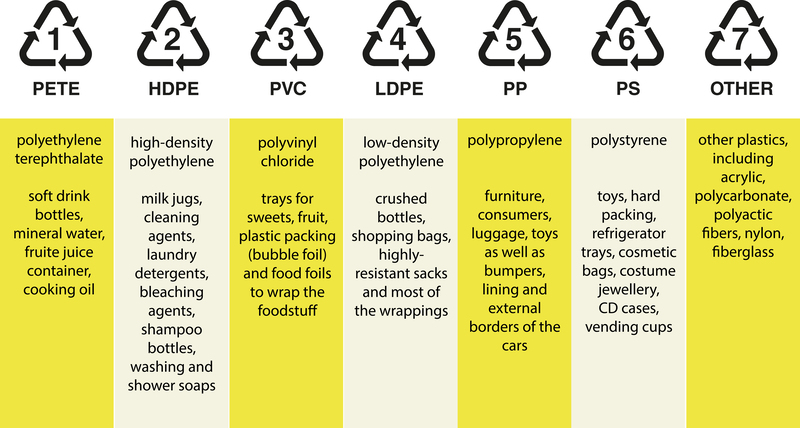
- Always check your local recycling guidelines. Not all plastics are recyclable in every community.
- Rinse containers before recycling to prevent contamination.
- Separate plastics from other recyclables as required.
- Support deposit return systems and community recycling programs.
Recycling ensures that valuable materials are kept in use and not sent to the landfill. However, it's important to remember that recycling should be the last resort after refusing, reducing, and reusing.
Innovative Alternatives to Traditional Plastics
One of the most exciting aspects of the art of reducing plastic waste is exploring creative alternatives:
Biodegradable and Compostable Options
- Plant-based plastics--made from corn, sugarcane, or cassava--break down more quickly and are less harmful to the environment.
- Compostable bags and packaging can safely decompose in home or industrial compost systems.
- Edible cutlery, cups, and plates are now available in some markets, offering a zero-waste solution.
Emerging Technologies and Packaging Innovations
- Seaweed-based packaging serves as an exciting alternative for food wraps and sachets.
- Mushroom-based packaging (mycelium) is sturdy, biodegradable, and being adopted by global brands.
- Reusable beeswax wraps replace single-use plastic wrap in home kitchens.
By choosing these innovative products, you help drive market demand for more sustainable materials and contribute to the reduction of plastic waste worldwide.
Changing Habits at Home and Work
Transformation starts where you live and work. Make reducing plastic waste a family or workplace mission:
Household Tips
- Encourage everyone to use personal water bottles and snack containers.
- Purchase cleaning products in bulk and use refillable dispensers.
- Opt for solid soaps, shampoos, and conditioners instead of liquid versions in plastic bottles.
- Use laundry detergents and dish soaps that come in plastic-free packaging.
- Create a visible "Plastic-Free Challenge" chart for motivation and accountability.
Workplace Tips
- Encourage tools like ceramic mugs, reusable utensils, and lunchboxes.
- Initiate zero-waste meetings: avoid disposable plates and cups.
- Organize workshops on reducing plastic waste and eco-conscious office practices.
- Advocate for responsible procurement--source supplies from sustainable brands.
Simple shifts in daily routines can reinforce the art of plastic reduction, fostering positive, long-lasting change.
Becoming an Advocate: Inspiring Broader Change
The journey to a plastic-free society gains momentum when more people join. Here's how you can leverage your experience to inspire others:
- Share your story on social media using hashtags like #ReducePlasticWaste
- Host educational workshops and cleanup drives in your community.
- Volunteer with organizations committed to plastic waste reduction.
- Encourage local businesses and schools to ban or limit single-use plastics.
- Support legislation and campaigns aimed at phasing out unnecessary plastics.
Your influence matters. Each conversation or community initiative can spark a ripple effect--transforming local efforts into a global movement.
Education and Awareness: Key to Lasting Impact
Awareness is the heart of change. By learning and teaching others about the dangers of plastic waste and the magic of alternatives, we nurture a well-informed society ready for sustainable choices.
- Introduce children to eco-friendly habits early; making the topic fun and interactive.
- Circulate easy-to-follow guides and infographics on plastic-free living in your neighborhood, workplace, and online networks.
- Encourage schools and universities to integrate *plastic waste reduction* topics in their curriculum.
Education ignites action. Equip yourself and those around you with the latest facts, tips, and innovations in the art of reducing plastic waste.
Reducing Plastic Waste: Frequently Asked Questions
Q: Can one person really make a difference?
Absolutely. Every action--from refusing a plastic straw to organizing a cleanup--contributes to demand reduction and inspires others to join the cause.
Q: Is it possible to completely eliminate plastic from my life?
While total elimination may be challenging due to how deeply plastics are integrated into society, it's entirely feasible to drastically minimize your usage by following the tips in this guide.
Q: How can I deal with unavoidable plastics?
When plastic use is truly unavoidable, focus on reusing items as much as possible and ensuring proper recycling. Supporting clean-up initiatives is also a great way to offset your unavoidable plastic footprint.
Your Role in Cultivating a Plastic-Free Future
Discovering the art of reducing plastic waste is a journey, not a destination. With every mindful choice, you contribute to a collective effort to restore the health of our planet. The momentum starts with you--by buying less plastic, embracing alternatives, upcycling, and educating others.
Remember, it only takes a spark to ignite real change. Embrace this artful revolution today, and together, let's protect what matters most for generations to come.
Join the movement. Start reducing plastic waste now!